
In March 2025, I wrote to friends and colleagues in the wine trade with a question many of us were asking. If tariffs pushed European wine off American shelves, who would fill the gap?
Nearly two years later, we have answers. A 15% tariff on most European wine is now fixed through 2029. Italian wine shipments to the U.S. have fallen sharply, and importers have turned to American producers. California growers have pulled tens of thousands of acres of vines, and proven vineyard land is selling at prices we have not seen in years. Texas kept growing.
I had the direction right. What I underestimated was how much wine drinking itself would change. Americans are drinking less, and younger guests want something different from a winery visit. The opportunity is no longer just replacing an imported bottle. It is building a place people want to spend the day.
What the tariff story taught us
Tariffs turned out to be a fixed cost rather than the main event. The bigger force is demand. Global wine consumption fell 2.7% in 2025 and about 14% since 2018 (AP). In California, growers removed more than 47,000 acres of vines between August 2025 and August 2026, and about half of the 2026 crop went to harvest without a contract (Farm Progress).
Silicon Valley Bank expects the wine market to reach bottom between 2027 and 2028 (Il Sole 24 Ore). For a patient buyer, that makes the next two years a window, not a warning. The strongest regions are pulling away from the weakest, and the gap between them is where value lives.
More visitors, smaller checks
Texas wineries welcomed 2.64 million tourist visits in 2025, more than ever, and those visitors spent about $504 million (WineAmerica). That works out to about $190 a visit. In 2017, 1.7 million visits brought in $716.6 million, or about $420 each (WineAmerica 2017). The properties holding their value are the ones that raise that number; lodging, food, event space, reserved tastings, and reliable water. Production-only sites with no reason to stay are struggling.
Direct-to-consumer sales still drive more than half of U.S. winery revenue (Vinetur, citing BMO). The answer is not less hospitality. It is better hospitality.
What is coming to the Hill Country
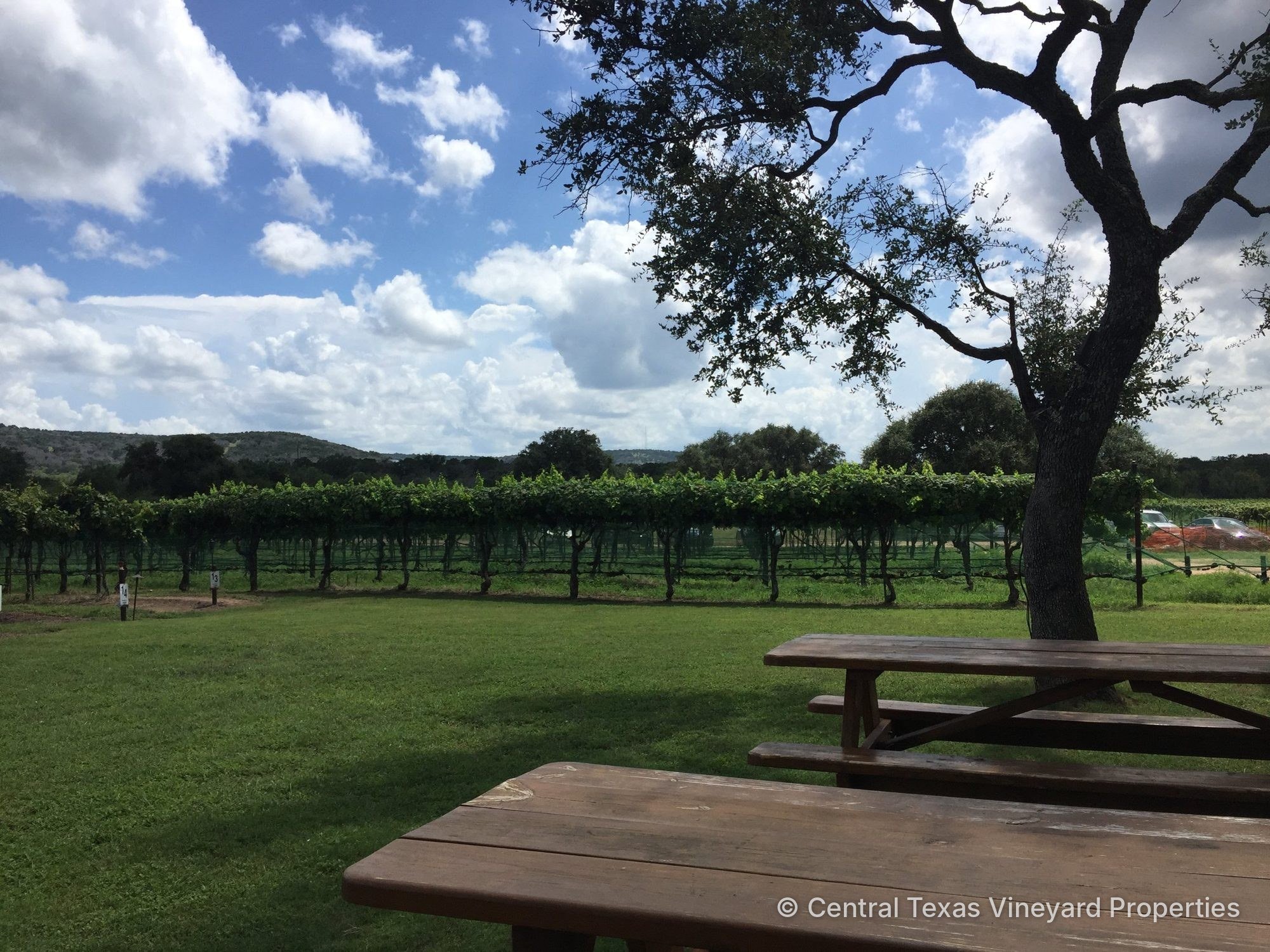
The next two years bring the largest wave of hospitality investment the region has seen. The 210-room Kimpton Fredericksburg has topped out and is scheduled to open in 2027 (REBusiness), and a Waldorf Astoria resort is planned to follow. On Highway 290, Salt Lick Cellars is building a tasting room and restaurant at The Sycamore on Luckenbach Road, with completion filed for September 2027 (TDLR). Napa's The Debate plans to open a Stonewall tasting room in spring 2027 (CultureMap), and California's Halter Ranch is already pouring in Texas.
Those guests will want curated outings, good food, and a place to stay. The wineries that take reservations, serve food, and host groups will win that business. Hill Country already draws about 1 million visitors a year (Community Impact), and the guest coming next will spend more if given a reason to.
Heritage meets climate
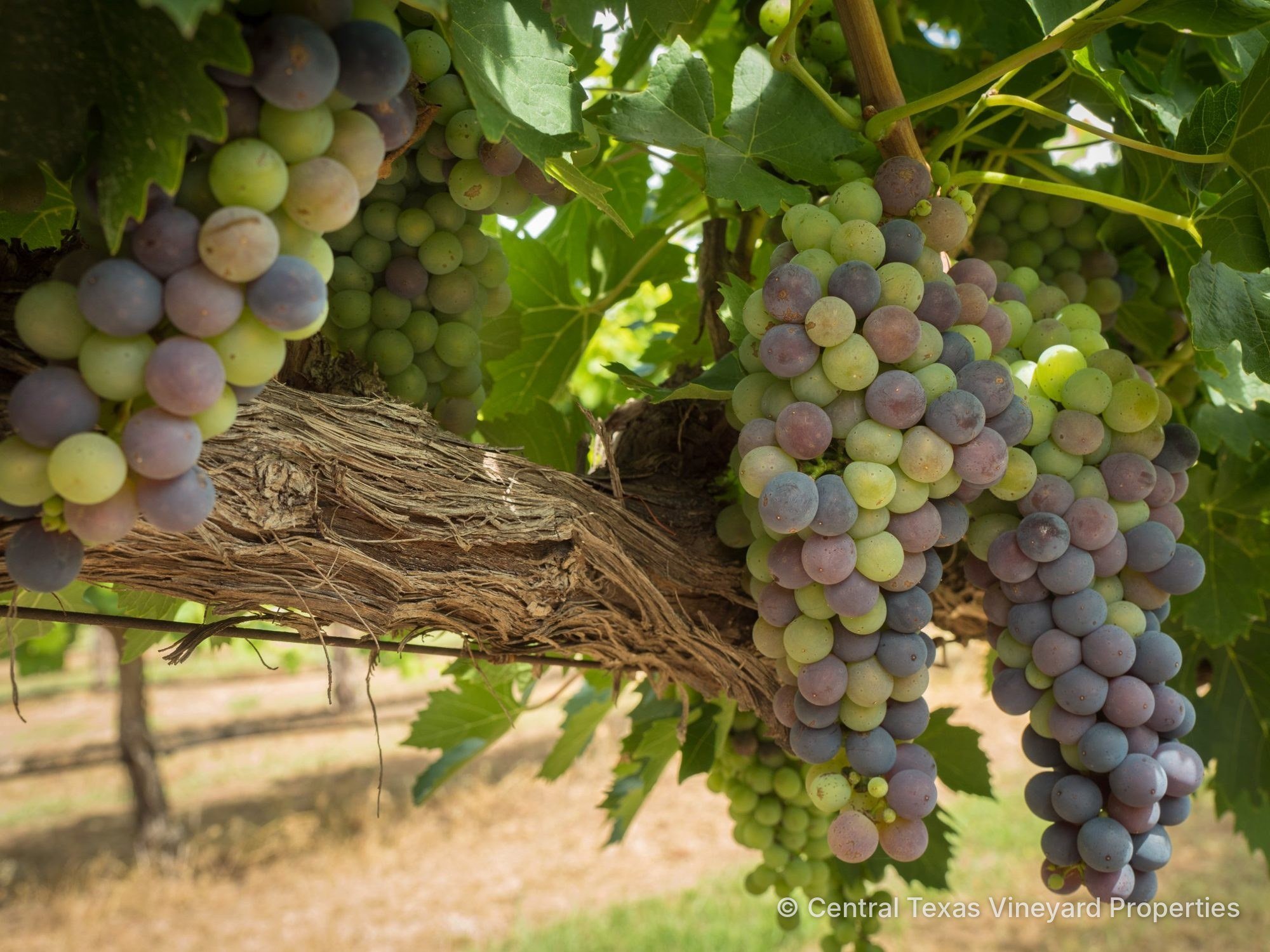
Italian-American families helped build American wine, and that heritage still tells a strong story. In Texas, it also makes good farming sense. Sangiovese, Montepulciano, Aglianico, Vermentino, Tempranillo, and other Mediterranean aka “International” grape varieties handle heat well and have a proven record here (Decanter).
Several properties on the market today have tired or failing vineyards but strong tasting rooms and lodging. For the right buyer, replanting with heat-tolerant varieties turns a weakness into the next chapter. It is a farming plan and a hospitality story at once.
Planning for 2027 in Central Texas
NOAA expects a very strong El Niño this winter, with wetter-than-average conditions most likely across the southern tier of the country and drought easing in the Southern Plains (NOAA). For Hill Country vineyards, that points to a wet start to 2027. Sites with good drainage and air movement, backed by a disciplined spray program, will be best positioned. El Niño does not protect against a late freeze, so cold-air drainage and bud break timing still matter. If you are touring properties this year, ask about all three.
How I look at vineyards
Hospitality buyers still inherit the vines, the soil, and the water. In my advisory work, seasonal conversations become property questions. How has the vineyard handled wet springs, and where has runoff caused trouble? Can equipment reach the rows when the canopy stays wet? What do the spray and harvest records show, and what was measured besides sugar at harvest?
I also ask what grew between the rows and which soil-health claims rest on measured results. The answers shape value, operating costs, and the right plan for the next owner. They also separate a listing from a vineyard you can build a business on.
Buying in today's market
This is a buyer's market for operating wineries and a strong market for Highway 290 frontage. Central Texas winery properties are asking from about $1.45 million to $12 million, and several have been on the market for well over 300 days. With interest rates higher again, terms matter as much as price for commercial lending. Expect strict commercial lending for money down but also seller financing, leasebacks, and joint ventures to play a role in most boutique deals.
The buyers I see today include established Hill Country operators adding a second location, out-of-state wine brands looking for a Texas tasting room, hospitality developers who see wine as an amenity, and families who still dream of their own vineyard legacy.
Opportunities worth a look
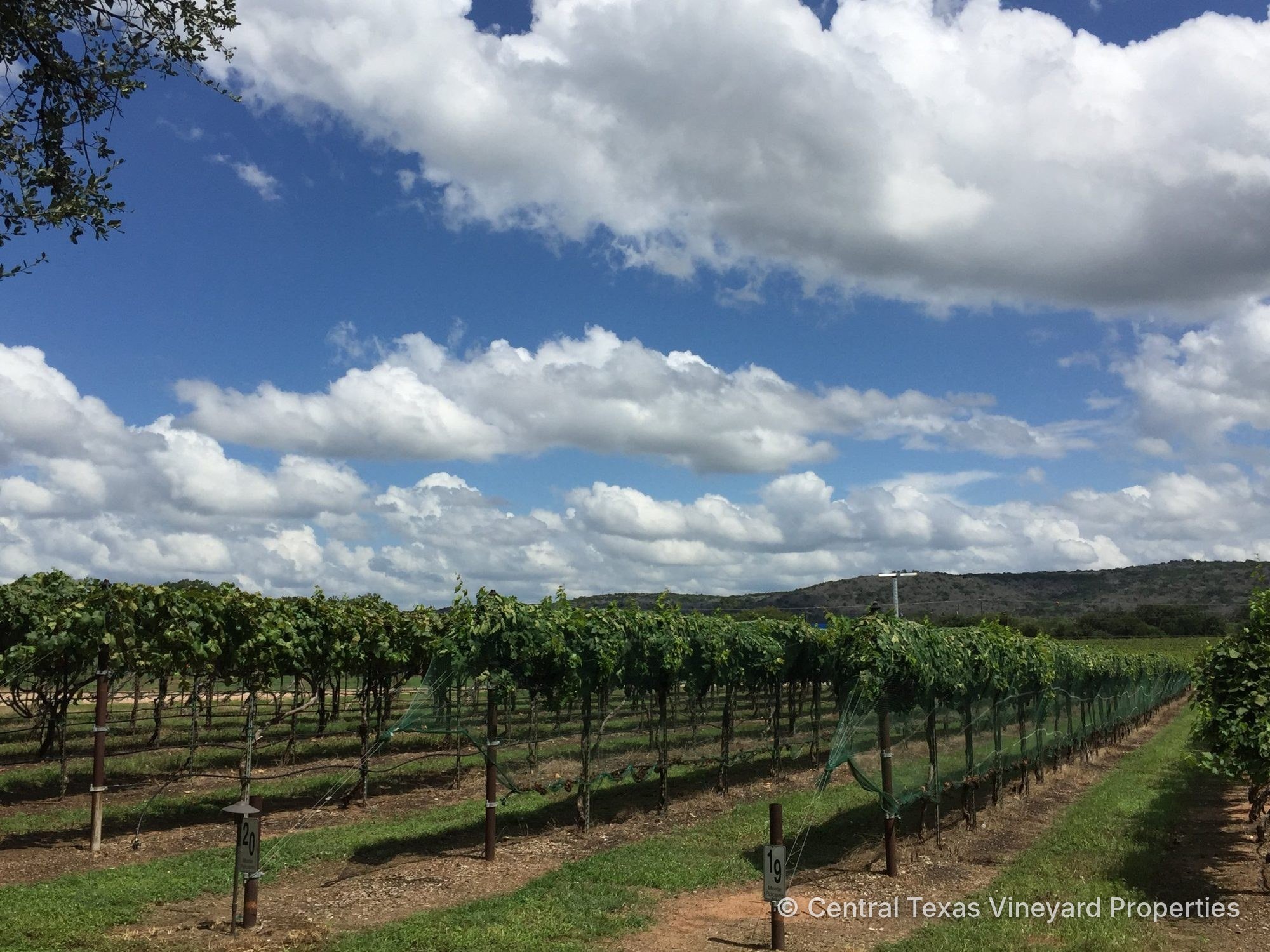
Estate and flagship wineries, $7.5 million to $12 million. Production, tasting rooms, vines, and often residences on Highway 290 and near Austin.
Boutique wineries with frontage, $2.3 million to $4 million. Tasting rooms and small vineyards, several with guest lodging or event space.
Hospitality sites, under $1 million to $5 million. Lodging on the 290 Wine Trail, frontage tracts in Stonewall and Johnson City, and event venues near Austin, ready for a winery partner.
Coming soon: a Blanco County lifestyle vineyard estate. Six acres with a vineyard and a 3,100 sq. ft. luxury home with a pool, for buyers who want to live among the vines.
Paso Robles and Napa, California. Proven Westside, Willow Creek, and Stags Leap District sites at reset prices; villa estates with vacation-rental income, approved estate sites, and large planted vineyards with contracted fruit, offered through a licensed California partner.
Contact me for current availability, property details, or a private conversation about what you want to build.
I would love to hear your view. Where do you see the next great American wine destination taking shape?
Cara A. Collier
Central Texas Vineyard Properties
Real Estate Advisor | JBGoodwin REALTORS® Residential & Commercial
WSET Level 4 Diploma Candidate, Napa Valley Wine Academy
512-917-4704 | cara@centraltexasvineyards.com
Market figures are drawn from public listings and industry reports as of November 2026. Asking prices are not sale prices, and availability changes often. Buyer to verify.